 |
Ares Laboratory, UC Santa Cruz |



|
||
|
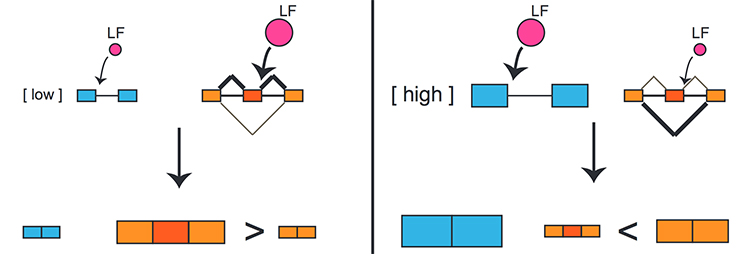
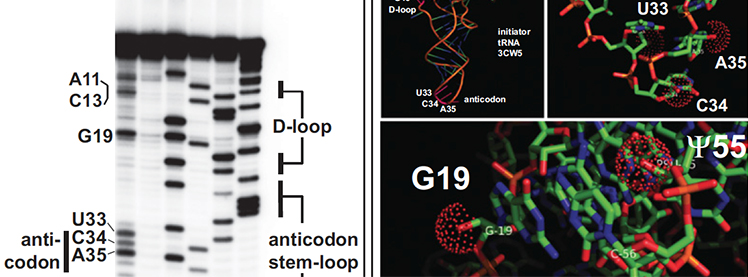
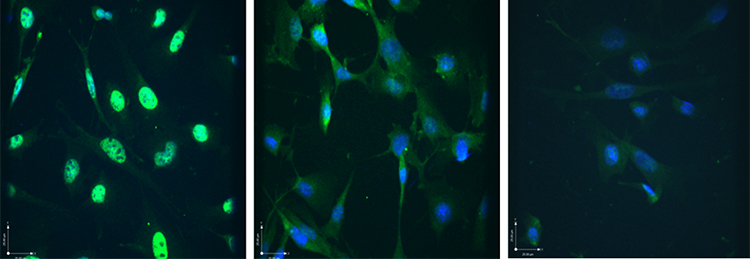
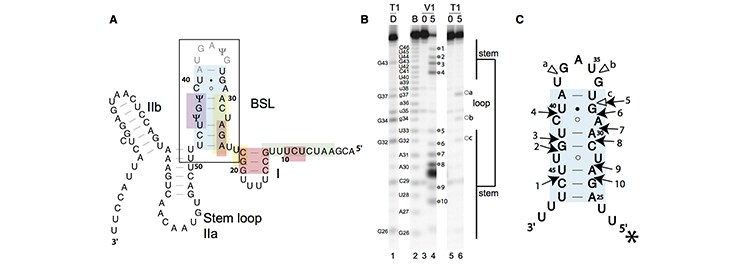
SCIENTISTS MATTER, SCIENCE MATTERSThe Ares Laboratory Manuel Ares, Jr., Professor of Molecular, Cell & Developmental Biology Our work centers on the mechanisms and regulation of splicing. Splicing is required to remove intron sequences from pre-mRNA and create coding sequences for translation. We try to understand: (1) the mechanism of action of the core components of the spliceosome, in particular the snRNAs and their rearrangements during assembly of the spliceosome and catalysis of the splicing reactions, (2) the regulation of alternative splicing at a mechanistic level including the coupling of splicing to transcription and RNA decay mechanisms, and (3) The origin of introns and evolution of the splicing machinery We're also interested in technology development, or at least advancement. We invented a way to make circular RNA long ago, developed alternative splicing microarrays in the years before RNA-seq was available, captured unusual signals made by modified nucleotides in nanopores, and made a yeast strain sensitive to mammalian splicing inhibitors. We've helped develop transformation and CRISPR methods for the ubiquitous oceanic microalgae Micromonas. Basically we can be distracted by interesting side projects, which we think keeps things fun. We are in the Center for Molecular Biology of RNA and the Genomics Institute at the University of California, Santa Cruz. The lab is relatively small (typically 8-10 members) and includes professional staff and students at all levels. We love to collaborate, do not really participate much in large consortia, and publish our work on preprint servers before submitting to traditional as well as non-traditional journals for review. We are excited by new ideas and are always happy to hear constructive criticism of our efforts. For more information about our research, see the links above the banner of each page. If you are looking for our classic "surfing themed" lab page, we still have it here. AresLab Wiki | PubMed | BLAST | SGD | UCSC Browser | Ares Lab Browsers | Surf Cams | |
||
|
Site design: David States. Comments or corrections. Last reviewed 3/5/25
|